

Arts and Entertainment, Economic Development Strategy, Pittsfield, Massachusetts
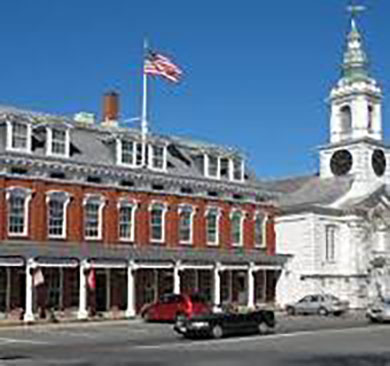
Economic Feasibility Analysis (EFA), Multi-Family Zoning Districts, Town of Grafton, Massachusetts
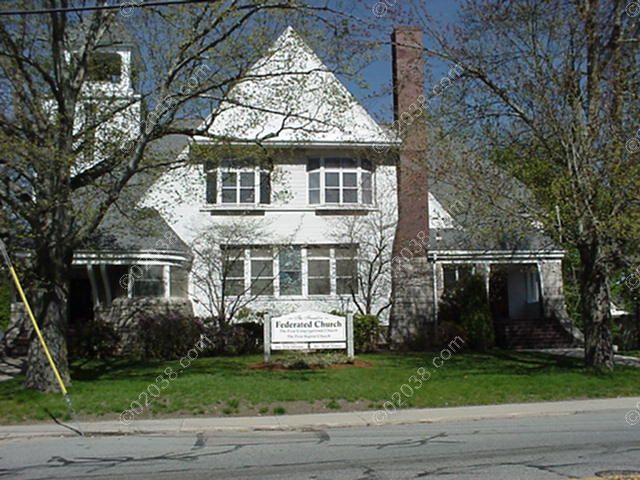
Adaptive Reuse Feasibility – Cultural Arts Center, Town of Franklin, Massachusetts
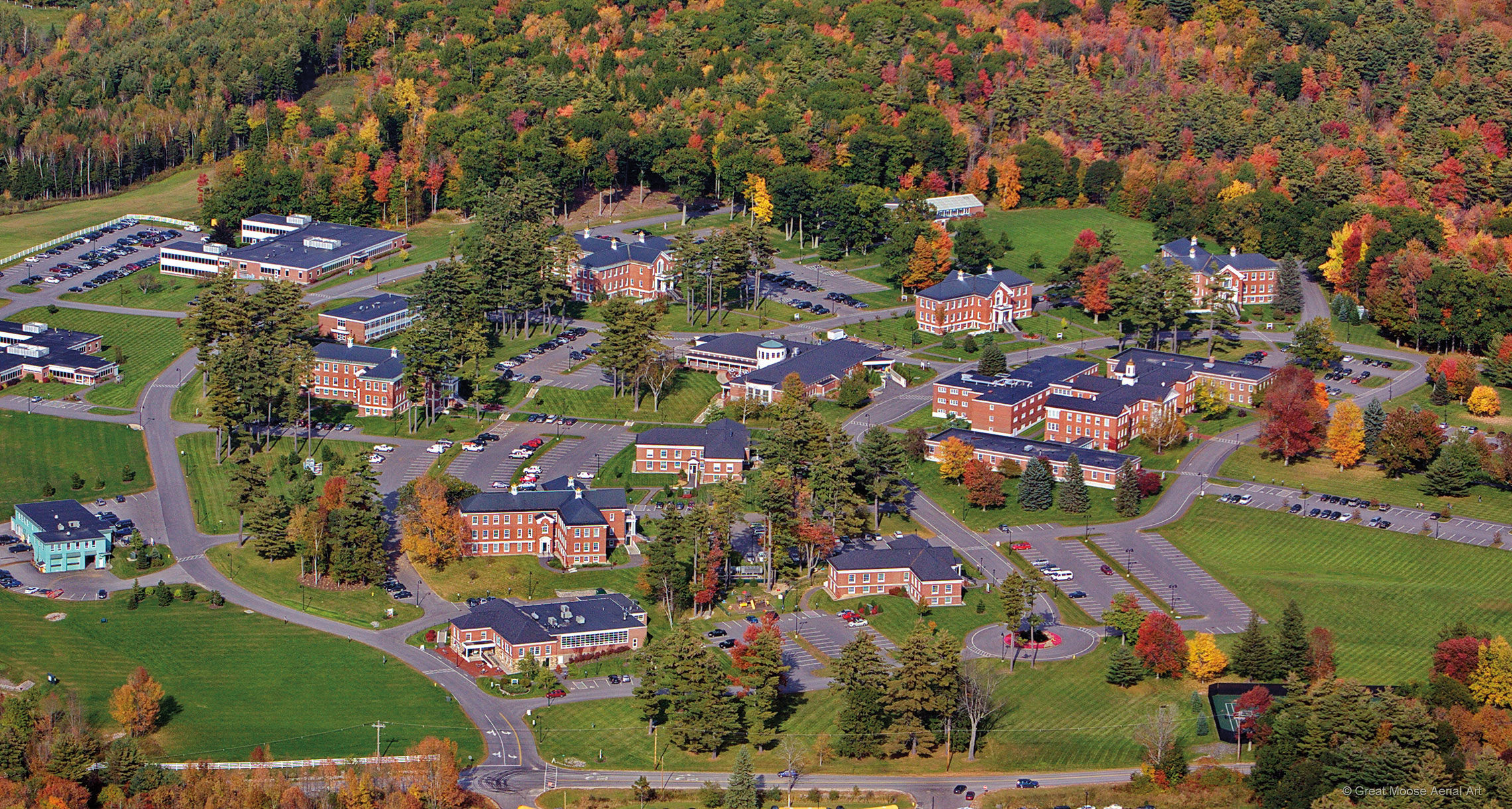
Pineland School Redevelopment – Strategic Plan, New Gloucester, Maine
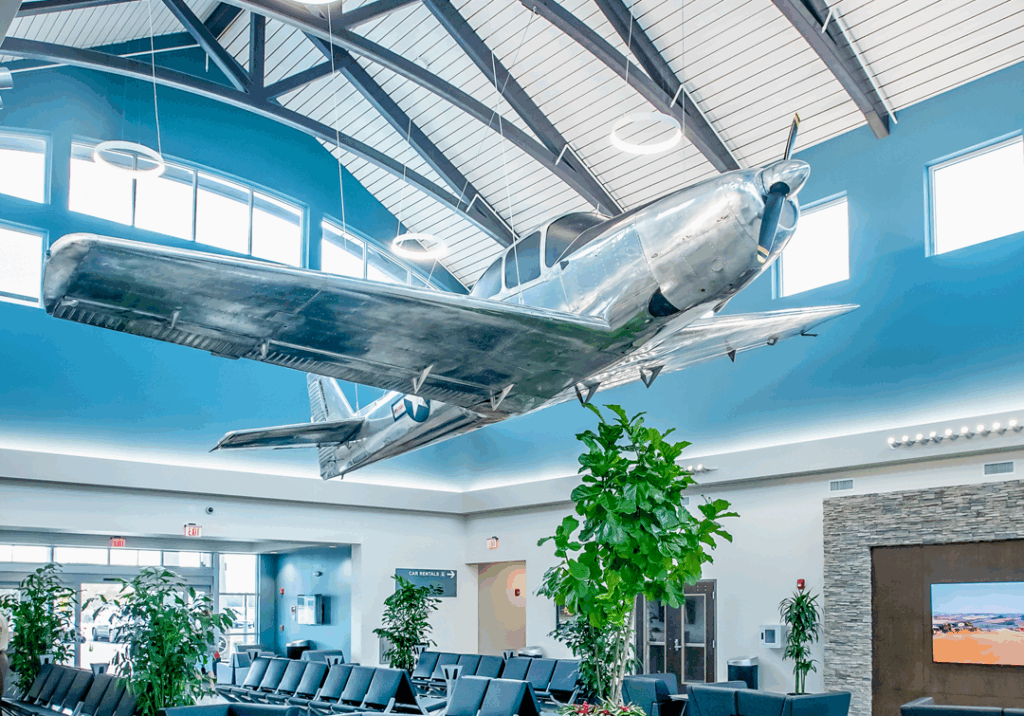
Ocala International Airport – Market Intelligence Report, Ocala, Florida

City of Bryan / College Station, Texas, Tax Increment Financing / Fee Strategy
Downtown Corridor Redevelopment – Ohio State, Campus Partners, High Street, Columbus, Ohio
Affordable Housing Financial Analysis, Andover Community Trust, Massachusetts
Colonial Theatre – Revitalization Anchor, Pittsfield, Massachusetts
Historic Roundhouse and Railyards – Redevelopment, Evanston, Wyoming
Capital Region International Airport – Landside Development, Lansing, Michigan
Parking Garage Privatization, Billings, Montana
Downtown Revitalization / Restaurant Recruitment Strategy, Bel Air, Maryland
Multi-Family Housing, Fiscal / Economic Impact Analysis, Town of Tolland, Connecticut
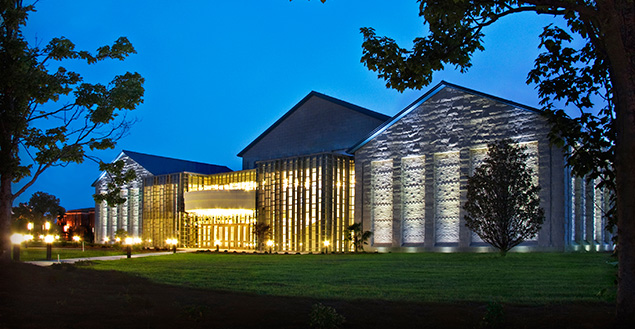
Performing Arts Center – Downtown Revitalization, Florence, South Carolina
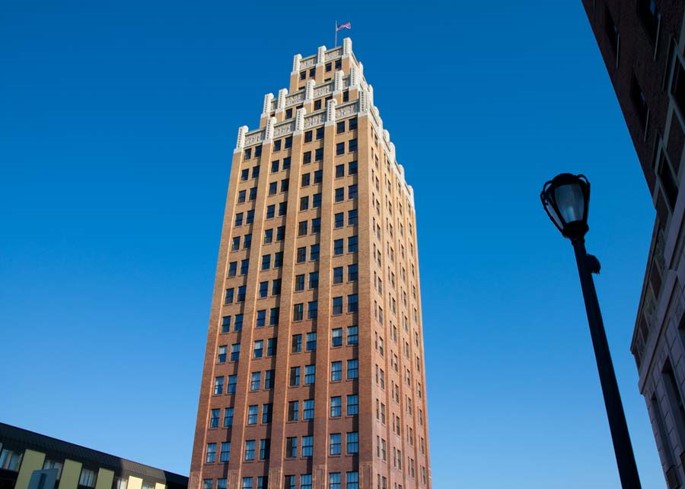
United Office Building, Adaptive Reuse / Redevelopment, Niagara Falls, New York
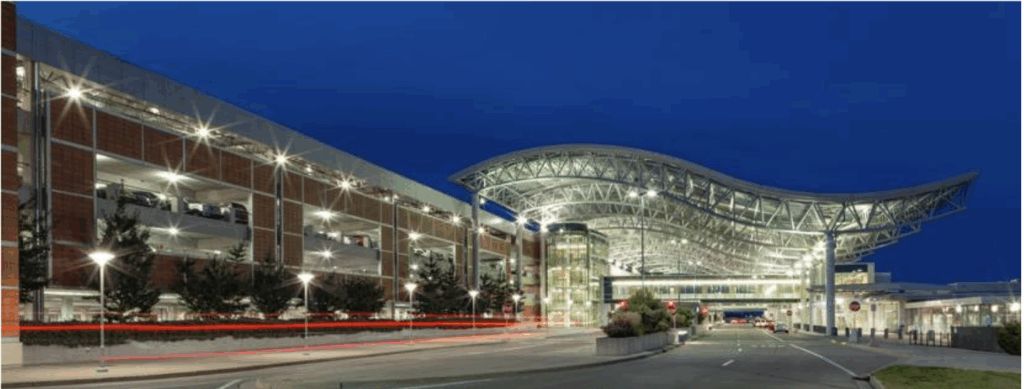
Gerald R. Ford International Airport – Strategic Plan, Grand Rapids, Michigan
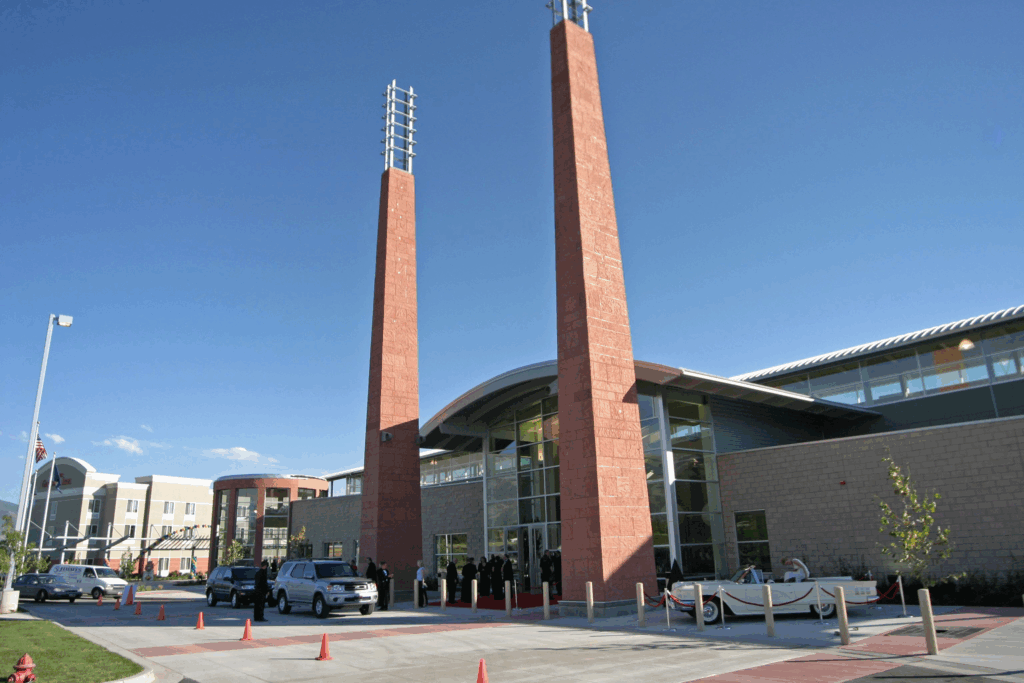
Davis County Conference Center and Hilton Garden Inn Hotel, Layton, Utah
Downtown Parking – Private / Public Financing Strategy, Boise, Idaho
TIF-Driven Multi-Family Housing Development, Private / Public Partnership, North Logan City, Utah
Florence Little Theater – Downtown Revitalization Driver, Florence, South Carolina
The Cotton Factory – Redevelopment, Rock Hill, South Carolina

Pocatello Regional Airport – Landside Development Strategy, Pocatello, Idaho
Planning Framework and Action Plan, Town of Chapel Hill, North Carolina
Downtown Revitalization Strategy, Florence, South Carolina
Affordable Housing Plan – Multi-Family Residential Development, Private Sector, Town of Mansfield, Connecticut
Fox Theater Revitalization, Tucson, Arizona
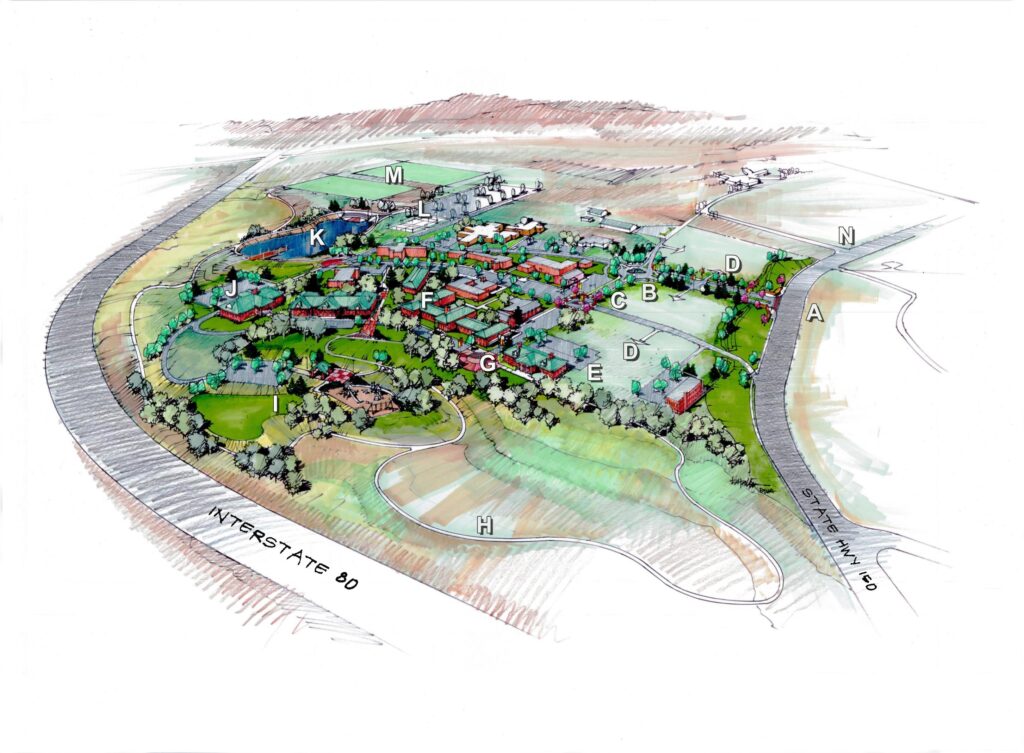
Wyoming State Hospital, Redevelopment Plan, Evanston, Wyoming
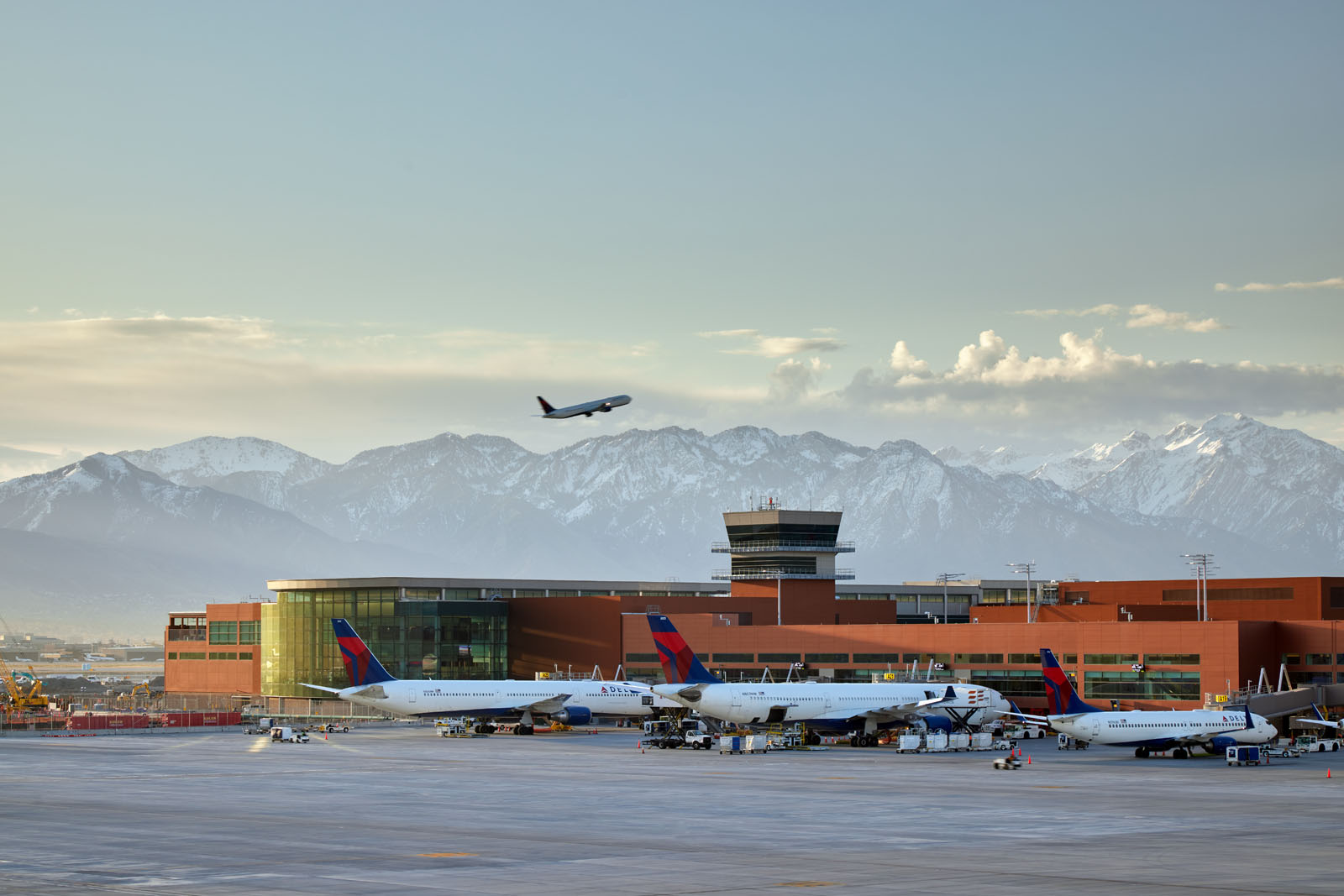
Salt Lake City International Airport – Master Plan Update, Salt Lake City, Utah
Long Hollow Pike Corridor – Zoning Impact Analysis, Goodlettsville, Tennessee
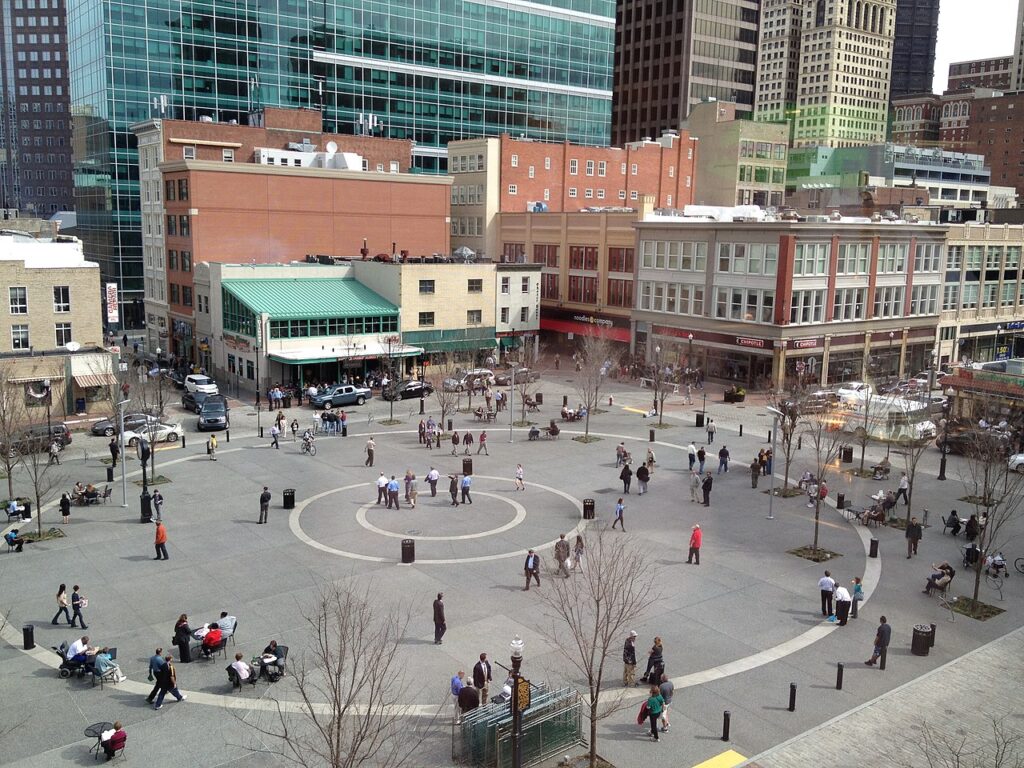
Market Square Revitalization, Pittsburgh, Pennsylvania

Affordable Housing Study / Growth Management Plan, Draper, Utah
Palace Theatre Revitalization, Albany, New York

Wyoming State Hospital, Redevelopment Plan, Evanston, Wyoming
Newport News / Williamsburg International Airport, Newport News, Virginia
Fiscal Impact Study, Multi-Family Development / Redevelopment, Private Developer, Town of Wethersfield, Connecticut
Arts and Entertainment, Economic Development Strategy, Pittsfield, Massachusetts
Mr. Bleinberger created an initial economic development strategy for this Berkshire community based on cultural arts and entertainment in the early 2000s. This effort followed the closure of a General Electric manufacturing plant that devastated the local economy and created a void in the funding for non-profit arts and other organizations. The strategy focused on attracting private sector investment in the downtown, unification of competing arts organizations, arts-based use of existing vacant spaces and buildings, and other pragmatic steps.
Over the years, Pittsfield has developed its non-profit cultural arts base, as well as attracted for-profit art galleries, and fostered restaurant and entertainment venue that have contributed to the revitalization of North St. and the greater downtown area. A strong event schedule has also developed, which has capitalized on support from other Berkshire festivals and public attractions.
Today, downtown Pittsfield is a vibrant destination for those interested in the arts, as well as those attracted to live entertainment, dining options, specialty retail shops and various points of historic interest.
Economic Feasibility Analysis (EFA), Multi-Family Zoning Districts, Town of Grafton, Massachusetts
Strategy 5 Consulting LLC completed an Economic Feasibility Analysis (EFA) for the Town of Grafton, an MBTA “adjacent community”, under Section 3A of the state's Zoning Act. Generally, this legislation requires that communities enact zoning districts that allow by-right development of multi-family housing under various criteria. The objective is to encourage new housing opportunities in proximity to mass transit nodes. An EFA is required for compliance when a jurisdiction wishes to include more than the mandated 10% of affordable units in a multi-family project, but not more than 20%, as allowed if feasibility at this affordability level can be demonstrated.
The framework for the analysis included formulation of six Conceptual Development Programs (CDPs) that included three, 200-unit rental projects, and three, 200-unit ownership projects. The CDPs were subject to variables including affordability levels of 10%, 20% and 25% to establish important trend lines and other outputs associated with feasibility. The analysis performed for each CDP included 10-year cash flow pro forma, estimates of supportable debt and equity, and residual land value (RLV).
The EFA found that conceptual projects with 20% of affordable units passed the feasibility threshold, although increasing levels of affordability decreased the levels of relative profitability. The study made distinctions between market feasibility, economic feasibility, financial feasibility, physical feasibility, and accounting feasibility. The findings supported the zoning decisions by the Town of Grafton pertaining to compliance with Section 3A of the Zoning Act and have been included in the required submission to the Executive Office of Housing and Livable Communities.
The Town of Grafton is among MBTA communities in Massachusetts required to comply with Section 3A of the Zoning Act, and the associated Compliance Guidelines for Multi-Family Zoning Districts. The districts are designed to enable transit-oriented development (TOD)projects, and proposed levels of affordable units are tested visa vi the Economic Feasibility Analyses required in certain circumstances.
Adaptive Reuse Feasibility – Cultural Arts Center, Town of Franklin, Massachusetts
Strategy 5 completed a feasibility analysis for a unique adaptive reuse development scenario involving the historic Franklin Federated Church. Work centered around identification of the opportunities associated with the arts market writ large, culminating in a Cultural Arts Synergy Map prepared by the firm. Using a maximum yield approach, every usable space within the 20,000 square foot complex was inventoried, photographed, and placed into a utilization plan. This plan was the subject of a 10-year cash flow pro forma, capital cost estimates for upgrades and reuse, and other aspects of feasibility.
A proposed acquisition by the Town of Franklin, coupled with an ongoing partnership, and inclusion of a third-party non-profit operator are under consideration. The project would play an integral role within the Town’s Cultural District which also hosts the Franklin Museum, historic Franklin Library, Dean College, Town Common, and a host of private arts and entertainment businesses.
The historic Franklin Federated Church complex proved financially feasible in a reuse scenario as the Franklin Cultural Arts Center, which will feature a wide range of arts activities and revenue generating uses including performing arts, visual arts, literary arts, culinary arts, and healing arts. The diversified approach to providing access to a variety of cultural arts proved to be a central pillar of the feasibility findings and foundational support.
Pineland School Redevelopment – Strategic Plan, New Gloucester, Maine
Originally opened as the Maine School for the Feeble Minded in 1908, what later became known as the Pownal State School, and then the Pineland School, had been vacant and derelict for decades when the State of Maine engaged Mr. Bleinberger's firm to craft a redevelopment strategy in the early 2000s. The sprawling 200-acre campus included a mix of red brick Georgian architecture buildings in varying degrees of decay, wood frame residential barracks, and other structures.
The revitalization strategy that emerged focused on the use of various resources inherent to the property including a significant source of saleable spring water, old growth trees including maples that offered the potential for syrup manufacturing, streams and meadows that could be attractive to visitors and tourists. The strategy also identified market support for the location of research and development, technology, professional office space, and other user groups targeted for reuse of the salvageable campus buildings.
A Maine-based non-profit took over the project, implemented the plan, and has built upon it to create the highly-successful Pineland Farms, a destination attraction. Pineland Farms also bottles its own branded spring water, maple syrup, cheese and dairy products, and other items sold in its Farm Store, as well as in grocery stores in the region, and online.
Today, Pineland Farms is a successful mixed-use project that penetrates local, regional and tourism market segments, and provides educational, work, and recreational spaces for tenants and visitors alike. The facility’s grim past has been replaced with a bright and hopeful future that has proven feasible and sustainable.
Ocala International Airport – Market Intelligence Report, Ocala, Florida
Strategy 5 prepared a Market Intelligence Report to inform landside development recommendations for approximately 500 acres of land that have been the subject of development objectives for more than 30 years. The Airport is primarily a general aviation facility and there is no commercial passenger service. Nonetheless, the Airport is busy with private jet and other private aircraft traffic and is considered a critical partner in local / regional economic development potential.
The landside development plan that emerged focused on the creation of a catalyst project that would induce additional synergistic uses. That catalyst project, as recommended by Strategy 5, would capitalize on the rapidly emerging technologies associated with vertical take-off and landing aircraft, or VTOLs. These types of craft include air taxies and are being developed in concert with other Advanced Air Mobility (AAM) projects. These include operational infrastructure such as vertiports, vertistations, charging stations, repair and maintenance facilities.
This type of advanced aviation could increase access to the City of Ocala and nearby attractions such as the World Equestrian Center, which attracts more than 1.5 million visitors each year. Currently, the Orlando International Airport is the closest commercially serving facility, which is located over 100 miles of the south. The proposed VTOL catalyst project could spur advanced manufacturing, research and development, and other future-oriented development.
The Ocala International Airport is well positioned to benefit both from its substantial land holdings, and the advances in aviation and aerospace technologies that are increasing passenger service to more markets.
City of Bryan / College Station, Texas, Tax Increment Financing / Fee Strategy
Mr. Bleinberger was engaged to trouble-shoot a TIF project that involved 900 acres of land, a proposed Jack Nicholas Golf Course, which would also serve as the official course for Texas A & M University, and a hotel / conference center. The project was the subject of a $30 million bond which was in danger of reverting to the City of Bryan's guarantee because development was not occurring at the pace originally forecast, thus causing a shortfall in TIF revenues to service the debt.
Mr. Bleinberger successfully strategized the sale of surplus land, a land swap between Bryan and College Station, and a revamped Master Development Agreement that averted a potentially devastating financial situation. Residential development was spurred, completion of the integral golf course was re-started, and the hotel / conference center portion of the project was scrapped in consideration of weak market support as determined by the Strategy 5 Principal. A revised set of building and development fees, impact fees, etc. were employed as part of the strategy.
The reconfigured project went on to become a successful addition to the City's economic base.
Bryan / College Station, Texas is the home of Texas A & M University, the George Bush Presidential Library, and various historic attractions. A TIF bond default and impending $1 million interest payment guaranteed by the City of Bryan were averted due to Strategy 5’s intervention and creative solution to the problem.
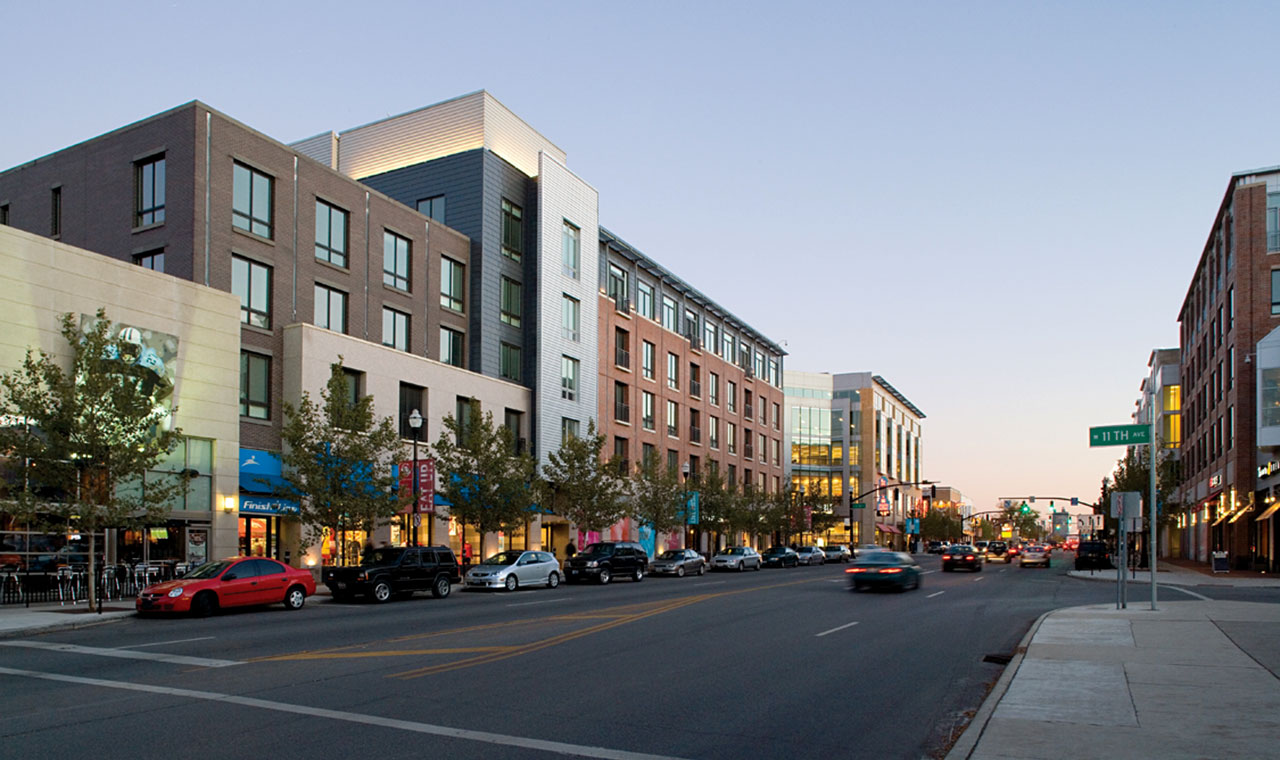
Downtown Corridor Redevelopment – Ohio State, Campus Partners, High Street, Columbus, Ohio
Mr. Bleinberger served as Project Manager for a multi-disciplinary team that crafted a revitalization strategy and implementation plan for a stretch of High Street, an important corridor bordering the campus of Ohio State University. At the time (early 2000s), this stretch of High St. was characterized by a string of college bars, experiencing high vacancy rates for available retail and restaurant space. In addition, the historically single-family neighborhoods that backed High St. had become de facto multi-family apartments, boarding houses, and other transient housing that had hosted an unwelcome concentration of undesirable activity.
The goal was to retain the student and faculty support businesses, while improving the built environment and providing additional opportunities for residential, retail, and University functions. The result, achieved over time, was a model of mixed-use development, forward-thinking urban design, fruitful public / private partnerships, and a community vision for a better, safer, more economically vital campus support area.
The Ohio State University is bordered on one side by High Street, a major transportation and economic corridor, that had deteriorated over many decades. The result of the redevelopment strategy and its implementation was a reimagined High St. that offers a mix of residential, retail, entertainment, office, and University related spaces and services that have served to re-knit this area of the Ohio State community.
Affordable Housing Financial Analysis, Andover Community Trust, Massachusetts
Strategy 5 LLC prepared a financial feasibility analysis for a proposed affordable housing project in the Town of Andover, sponsored by the Andover Community Trust (ACT). The project concept included a mix of rental and for-sale units, coupled with some senior units. The analysis included a 10-year cash flow pro forma, estimates of supportable debt and equity, and gap financing required to make development of affordable housing feasible.
As part of the research conducted for the assignment, Strategy 5 Principal Ernest E. Bleinberger reviewed up-to-date national studies on the growing need for affordable housing, the supply deficit, and programs and measures available to help close this gap. Up-to-date information and data available for Massachusetts was also reviewed and incorporated into the analysis.
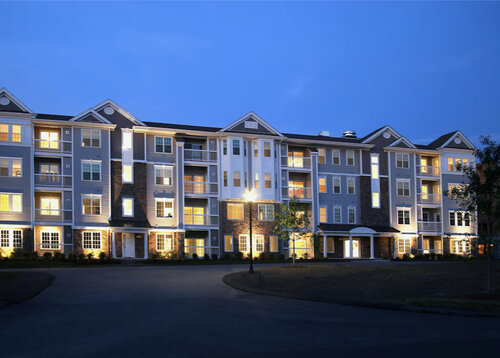
This existing multi-family complex of affordable housing in Andover, developed with the assistance of the Andover Community Trust, displays the aesthetic potential of such residential opportunities. Architecturally, they need not differ substantially from market rate apartments or condominiums. The project that was subject of the financial analysis summarized above remains in the development planning phase.
Colonial Theatre – Revitalization Anchor, Pittsfield, Massachusetts
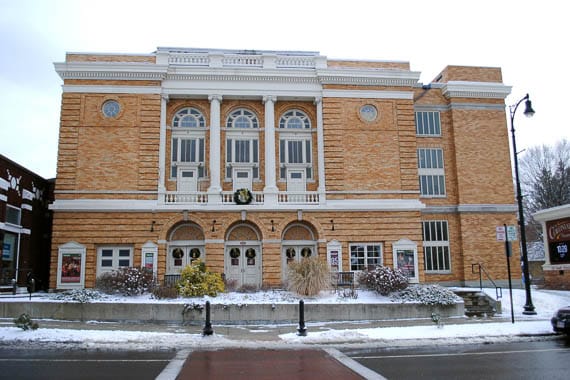
As the principal led an arts and entertainment-based economic development strategy for Pittsfield, he was introduced to the historic Colonial Theatre. At the time, the theatre had been dormant for decades, suffering from its vacant status, and virtually invisible to residents and visitors alike as a strip of retail stores had been built along the street frontage. Fortunately, one of the stores – an artist supply business – was owned by a party that also controlled the theatre building and hoped for a path to restoration. That path was suggested in the strategic plan, and over time, the community and committed non-profits were successful in bringing this cultural gem back to life.
The exterior of the Colonial Theatre was revealed after removal of mid-century retail stores which had hidden the jewel which has now taken its rightful place as a centerpiece of Pittsfield’s renaissance.
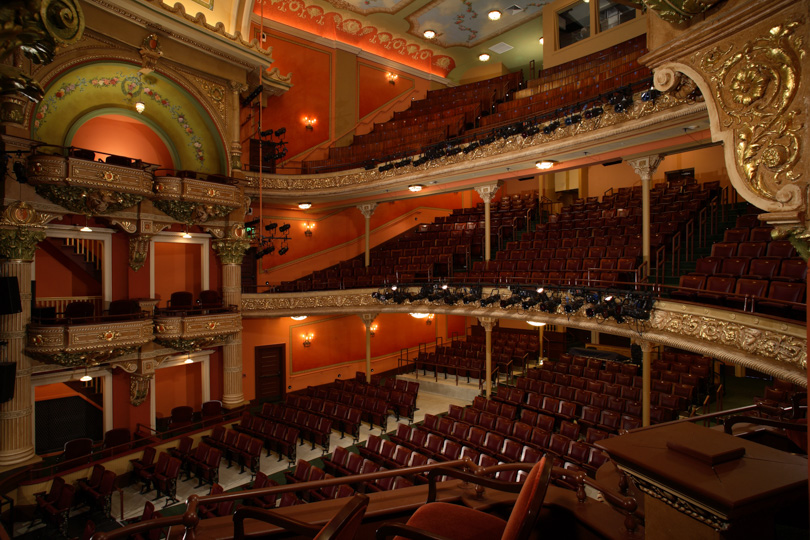
The spectacular interior of the restored Colonial Theatre speaks to the grandeur and style of the gilded age, and affords patrons a sensory experience rich in visual, textural, and ambient enjoyment.
Historic Roundhouse and Railyards – Redevelopment, Evanston, Wyoming
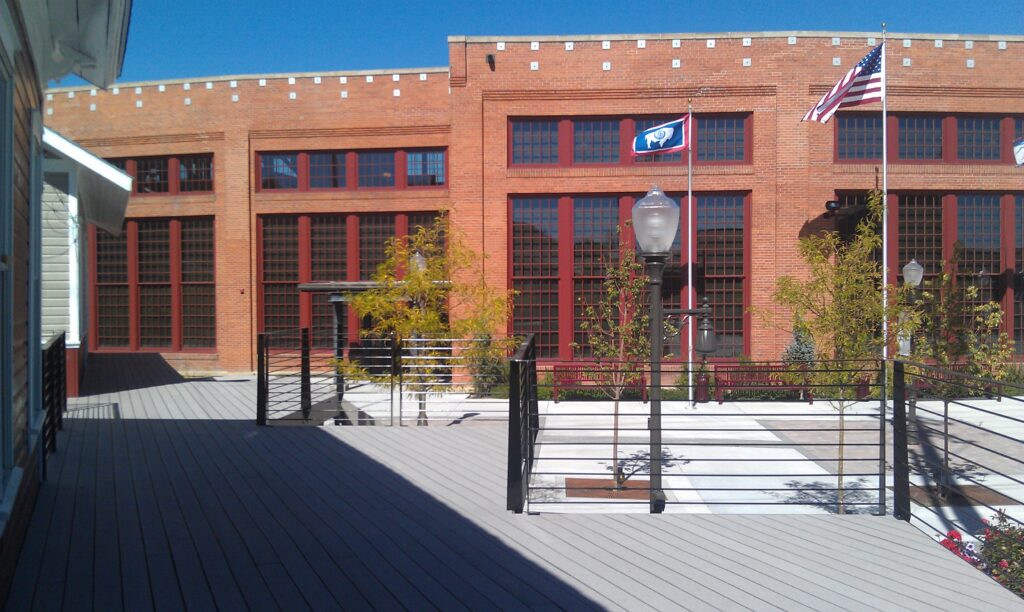
The former Union Pacific roundhouse and railyards in Evanston were located at the northern end of the line in the late 19th century, allowing for trains to be turned around and headed south toward connections in Utah, Colorado and Arizona. The complex has long held a position of prominence in the community, both for its historic value, and its potential for adaptive reuse in the current era. Strategy 5 served on a team conducting planning, architectural design, engineering, and other redevelopment steps at several levels. The firm completed a financial feasibility analysis that evaluated the potential for a mixed-use scenario including residential, retail, conference, and office space, and a separate analysis for a craft brewery operation.
The Historic Roundhouse and Railyards have returned to playing an active role in the community, hosting a number of special events, group meetings, and is currently being outfitted for a commercial brewery and brew pub restaurant.
The Evanston Roundhouse and Railyards have not only been saved, they have been carefully restored and updated with modern engineering elements to host several synergistic uses, including those deemed supportable in the market and financially feasible by Strategy 5. Uses include a commercial brewery, brew pub, conference and office space.
Capital Region International Airport – Landside Development, Lansing, Michigan
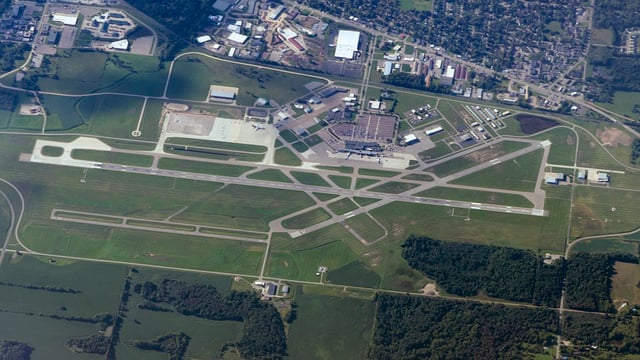
Strategy 5 conducted an extensive combination of site analysis, market analysis, financial feasibility analysis, and fiscal and economic impact analysis as part of a landside development program for the Airport. The planning area included approximately 800 acres of land, previously zoned for agricultural use, which affords the opportunity for extensive development in the coming years.
The Plan includes more than 10 million square feet of mixed-use projects, ranging from aeronautical and aerospace manufacturing facilities, research and development, commercial office space, a hotel, and workforce housing components.
This view of the Airport shows a portion of the landside development area which appears as fields and/or treed regions along the lower border of the image.
Parking Garage Privatization, Billings, Montana
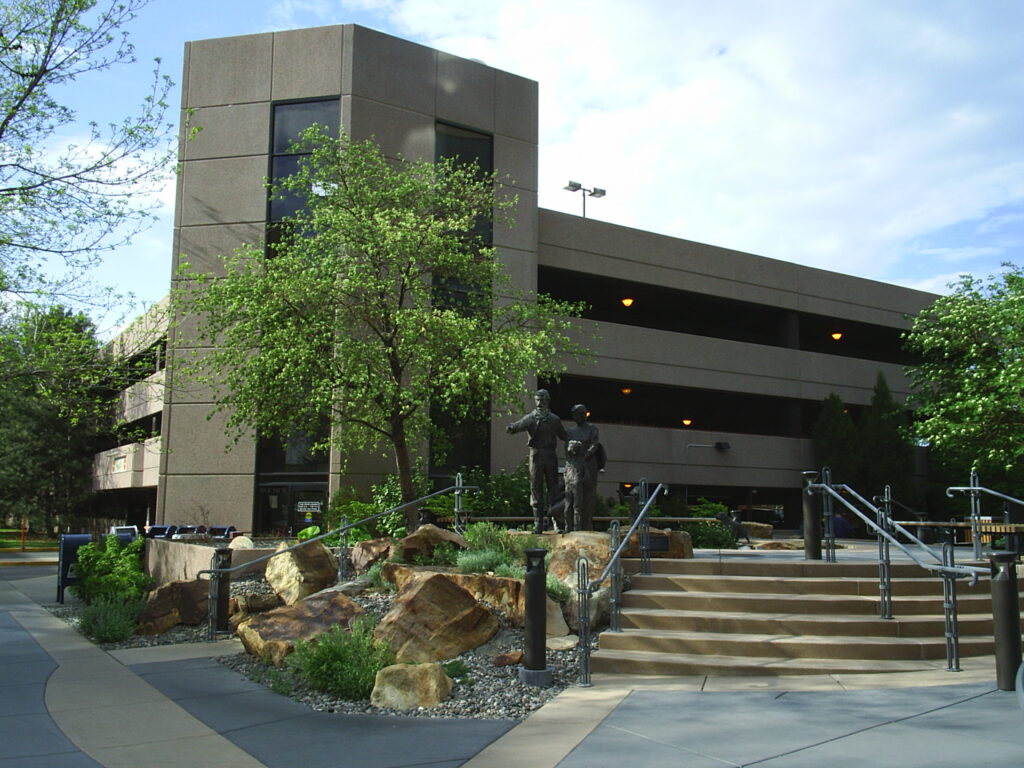
Strategy 5 and Carl Walker Inc. were engaged by the City of Billings to conduct a feasibility and marketing study to determine the potential for privatizing one of the City-owned garages. The team worked with existing user groups including a major bank headquarters, office complex, and hospital to craft a strategy that paved the way for a successful sale.
A 10-year cash flow analysis was completed, along with capital cost estimates and operational forecasts under the proposed private ownership scenario. These materials provided invaluable information for key prospective buyers. The garage opportunity was packaged by Strategy 5 and processed through the City's competitive bid system, utilizing a Request for Qualifications (RFQ) and Request for Proposal (RFP) framework. The garage was sold and the funds used a primary financing tool for a new City garage located closer to the heart of downtown Billings.
The Park 4 Garage in Billings serves the First Interstate Bank headquarters building, Tri-Western Office complex, and the Billings Medical Center. These tenants represent prospective partners in a privatization strategy prepared by the Strategy 5 / Carl Walker team
Downtown Revitalization / Restaurant Recruitment Strategy, Bel Air, Maryland
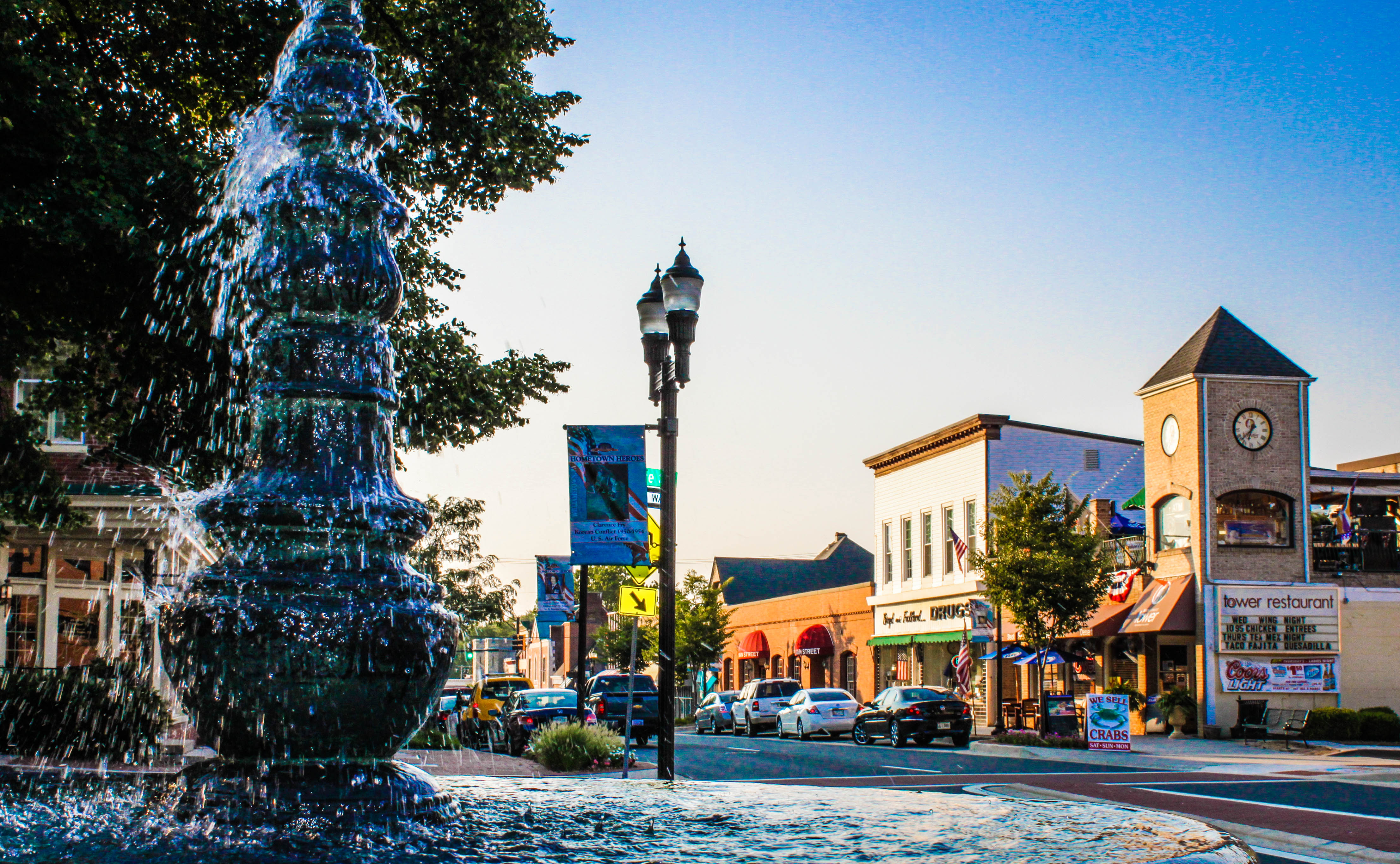
The Town of Bel Air engaged Mr. Bleinberger’s firm to prepare a downtown revitalization strategy that focused on attracting restaurants and retail to Main Street, which had seen a transition to storefront professional offices and social service agencies over the previous decade. Other concerns were vacancies and overall business recruitment and retention issues.
The plan has been implemented, resulting in the attraction of 13 restaurants to the downtown area. The retention of an iconic restaurant that was threatened by office conversion was achieved, as was the hiring of a Main Street manager, and expansion of a special events program that has further increased interest and activity in downtown.
As a small town, Bel Air nonetheless exists in a growth market environment that was dimensioned by Mr. Bleinberger and used as the foundation for revitalization recommendations. The study was used as the basis for a handbook for downtown businesses and for prospective investors. It continues to be in wide use.
The Town of Bel Air straddles the Rt. 1 corridor about 40 miles north of Baltimore. Downtown businesses, including restaurants, had lost market share to the dominance of nearby retail and entertainment centers. Today, Bel Air has regained its position as a central gathering place for locals and visitors alike.
Multi-Family Housing, Fiscal / Economic Impact Analysis, Town of Tolland, Connecticut
Strategy 5 was commissioned to conduct a fiscal and economic impact analysis of conceptual, multi-family housing development to inform the Town’s Economic Development Commission, administrators, staff, and the community at large. The study employed a development model that allows for projections driven by a range of unit numbers (10 – 250), a range of quality / price levels (Economy, Midscale, Upscale), and unit type (rented apartment, owned apartment, rented attached, owned attached, live / work, and senior lifestyle), and other criteria.
Expenditure potential created by residents would be captured by Tolland businesses, to varying degrees. Spending would occur in Tolland’s 175 retail, service, and commercial businesses including more than 200 companies active in light manufacturing, wholesaling, warehousing and distribution, technology and communications, and other sectors. Spending would also occur well outside the Town of Tolland, including with state, regional, and national providers of goods and services.
Economic impacts included the capital investment in land and construction of the multi-family units, which in turn help support construction jobs, contractors of different types, and material suppliers and processors. Fiscal impacts included net new revenues generated by the value added to the tax base of the Town, and payment of those taxes by the owner/developer of the project and/or multi-family unit owners. Fiscal costs would be balanced by a projected decline in the Town population, and the attraction of new residents who may be seeking multi-family residential opportunities. The Town is projected to realize a significant net fiscal and economic income.
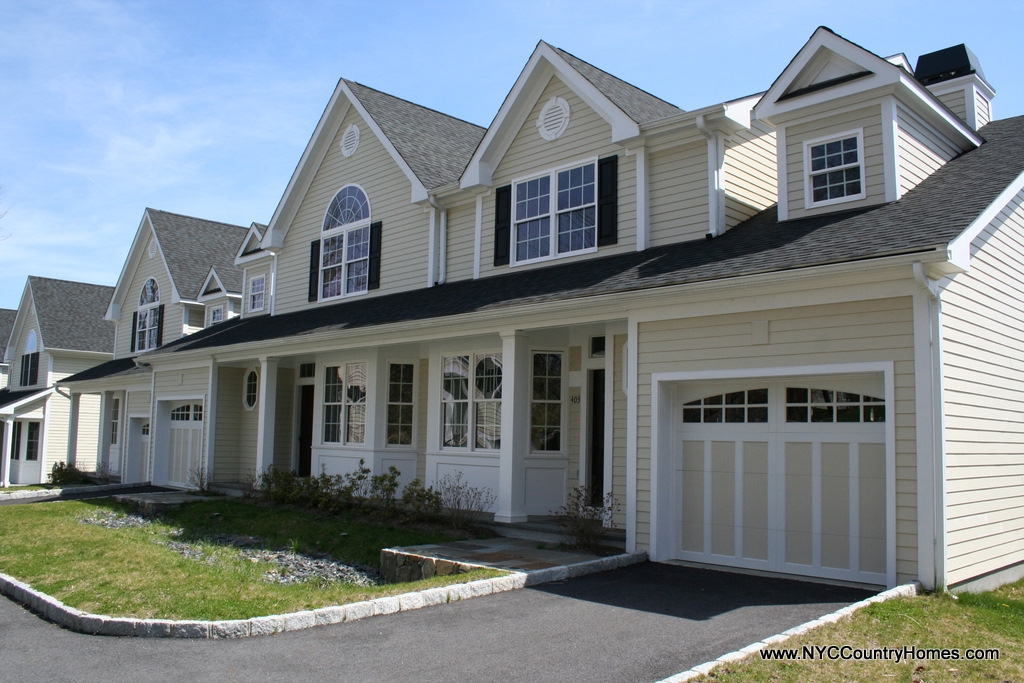
Attached multi-family dwellings, including this triplex example, are one development model of many that can contribute to the much needed housing supply.
Performing Arts Center – Downtown Revitalization, Florence, South Carolina
As a catalyst project that initiated significant results from a downtown revitalization plan led by Strategy 5 Principal, Ernest E. Bleinberger, the Francis Marion Performing Arts Center stands as a testament to the importance of partnerships. The facility was created by merging interest in a downtown performing arts center, expressed both by Francis Marion University, and the Florence Little Theater. The Florence Downtown Development Corporation served as the glue for the joint venture, and the facility has served to lead the City’s renaissance. Mr. Bleinberger brought the parties together as part of the downtown plan and laid out key implementation steps that were followed.
The Francis Marion University Performing Arts Center located in downtown Florence also features the Florence Little Theater as a partner performance space. Both sponsoring entities were located about five miles from the downtown, in different directions, prior to this combined signature space being constructed. It has spurred restaurant, retail, and hotel development nearby, and enhanced the image of downtown significantly.
United Office Building, Adaptive Reuse / Redevelopment, Niagara Falls, New York
Principal Ernest Bleinberger identified the vacant United Office Building as an important symbolic and practical focus of a downtown revitalization strategy for Niagara Falls being prepared by a multi-disciplinary team. The iconic structure had been abandoned for more than two decades and was indicative of the disinvestment in the city that had taken hold.
Following market analysis, feasibility analysis, and creation of a Conceptual Development Program for the building that called for a mixed-use approach focused on residential elements, the project was guided through a successful developer solicitation process by Mr. Bleinberger. This resulted in the successful redevelopment of the building which went on to host a combination of rented and for-sale residential units, office and service retail space, food and beverage components, and now hosts the upscale, boutique Giacomo Hotel as well.
The successful redevelopment of the United Office Building signaled that revitalization of Niagara Falls was possible, and it served to leverage additional investment in the downtown area. Coupled with the major investments by the Seneca Nation of Indians in casino gaming and additional hotels, in which Mr. Bleinberger also played a key role, the city has rebounded from its nadir in the 1970s and 1980s.
The iconic United Office Building, constructed in 1929, and vacant for decades, was successfully redeveloped, and added residential units, hotel rooms, and other activity / revenue generators to the downtown. Today, it stands as a testament to the results that public / private partnerships and a well-grounded yet creative revitalization strategy can yield.
Gerald R. Ford International Airport – Strategic Plan, Grand Rapids, Michigan
Strategy 5 determined market support, highest and best use, financial feasibility, and other factors involved in developing Airport-controlled landside property owned by the Airport Authority, consisting of 798 acres. The firm prepared a Conceptual Development Program for 25 separate Development Opportunity Sites that maximizes landside economic potential with appropriate and synergistic uses. These new development projects, over time, will enhance the Airport’s economic bottom line, as well as its brand and image within the community.
The Conceptual Development Program includes an Innovation Campus that will host a variety of technology, research and development, advanced manufacturing, aeronautical and aviation industry enterprises, and more. Other end-users are anticipated to include warehousing and distribution, office / commercial space, retail, and wholesale businesses. A prototype solar energy installation is also recommended as per FAA Guidelines.
The Gerald R. Ford International Airport has 798 acres of landside property that will be developed in the form of 25 Opportunity Sites identified by Strategy 5 and the Airport Authority client group. These Sites are expected to host more than 3 million square feet of buildings and facilities over time including uses such as advanced manufacturing, aeronautical and aviation industry companies, research, and development, office / commercial, retail and more. An Innovation Campus will be developed as a signature project.
Davis County Conference Center and Hilton Garden Inn Hotel, Layton, Utah
This $45 million facility opened in 2004 and has not only met, but exceeded, conservative operating and financial projections prepared by Mr. Bleinberger. The public / private partnership between Davis County and a private sector hotel developer-operator resulted after two feasibility studies by other consulting firms delivered negative findings. Revisiting the prior market analyses, Mr. Bleinberger determined that the demand potential of nearby Hill Airforce base had been largely ignored, and that the conceptual model being tested was not appropriate to capturing demand.
What emerged was an appropriately sized, high-tech, publicly funded conference facility, functionally integrated into a privately funded hotel property. The result has become an anchor of economic activity for Davis County and proven its financial sustainability over time. The project has spurred nearby development of several restaurants, office and commercial space, and even multi-family residential development that has been attracted to the cluster of activity.
The Davis County Conference Center and Hilton Garden Inn, located in Layton, Utah, approximately 30-miles north of Salt Lake City, resulted from pragmatic market analysis, financial feasibility analysis, proactive developer solicitation, and negotiation of a public / private partnership that has proved beneficial to all parties.
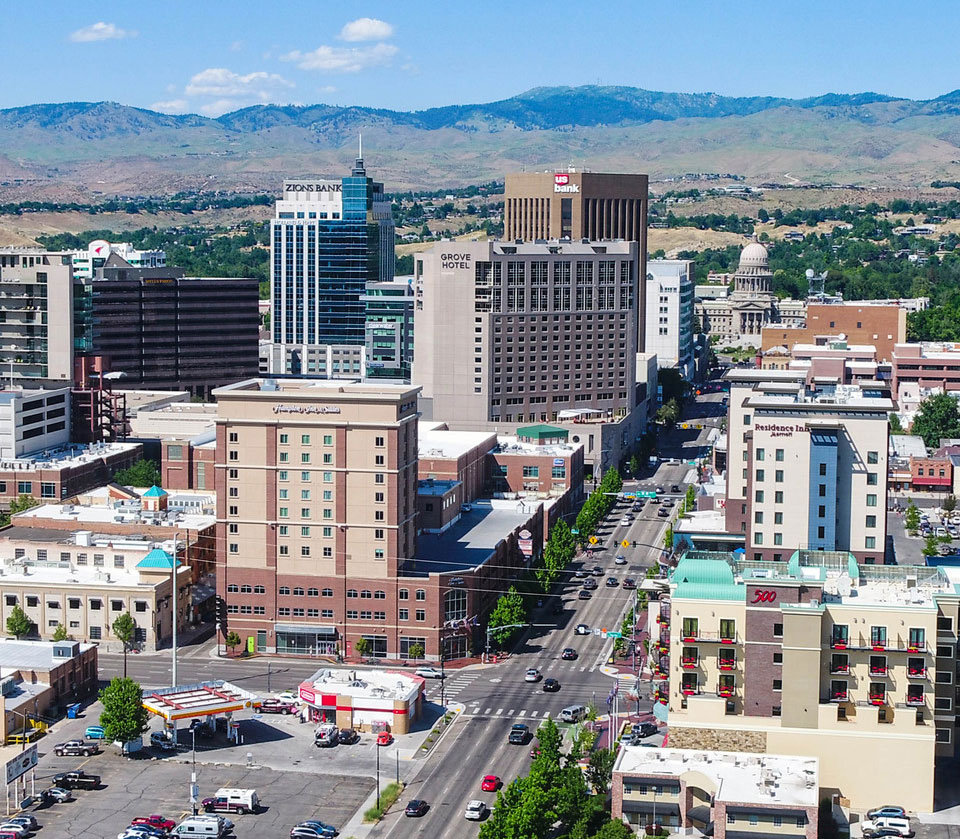
Downtown Parking – Private / Public Financing Strategy, Boise, Idaho
Strategy 5 worked with City of Boise officials to craft a plan for additional structured parking supply for the downtown, utilizing private sector investment. Implementation of the strategy resulted in the development of a Hampton Inn & Suites hotel (center, brick and tan) that capped a parking garage, which in turn was wrapped with ground floor commercial / retail space and a multi-family residential element.
Together, the private elements were used as the primary financing mechanism for the parking, which in turn provided space for hotel guests, retail customers, and others with a proximal downtown destination. This financing strategy enabled Boise to avoid the use of TIF funding, which had reached its statutory limit at the time.
This hybrid downtown parking structure serves several purposes and fits in well with other attractive buildings in downtown Boise. The success of this project has spurred other, similarly financed parking structures as well.
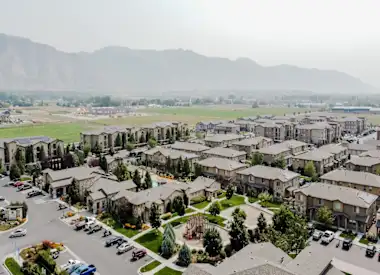
TIF-Driven Multi-Family Housing Development, Private / Public Partnership, North Logan City, Utah
Strategy 5 created only the second tax increment finance district (TIF) of its kind in Utah – a Community Development Area (CDA) – to fund a critical infrastructure improvement that led to a major residential development project – the Four Seasons. The firm prepared the required feasibility study, wrote the ordinance, and negotiated the revenue sharing agreement between the City, the School District, and other players.
TIF funds, provided through a cash in – cash out arrangement with a developer, resulted in the improvement (paving, curb, gutter, sidewalk, street lighting, landscaping, etc.) of an important north / south boulevard connecting downtown North Logan with the site. Water, sewer, storm water, and other infrastructure elements were also provided. The improvements were part of a broader plan (also created by Strategy 5) to increase the connectivity between the town and the Logan / Cache Airport.
The project is not only generating significant TIF revenues, the residents are contributing significant economic and fiscal benefits to local retailers, restaurants, and the local economy generally. The new housing supply is welcome in a region that is growing at a rate of more than 4% per year.
This residential project, located in beautiful Cache Valley, Utah, was enabled through critical infrastructure improvements funded through a TIF mechanism designed by Strategy 5. The development includes more than 1,000 units, in a mix of market-rate apartments, condominiums, affordable and first-time buyer homes, senior lifestyle residences, and a range of recreational amenities.
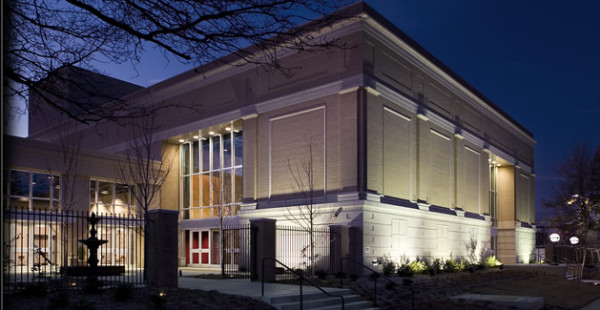
Florence Little Theater – Downtown Revitalization Driver, Florence, South Carolina
With its origins rooted in 1923, the Florence Little Theater has played a key role in the cultural arts life of the community for generations. It has evolved over time, occupying different performance venue while providing an unbroken series of dramatic seasons and establishing itself firmly in the fabric of the community. During the preparation of a comprehensive downtown revitalization strategy in the early 2000’s, Principal Ernest Bleinberger worked with theater officials to create a plan for relocation of the theater form its suburban location into the heart of downtown Florence.
The plan came to include the development of another major cultural venue – the Francis Marion Performing Arts Center – also located in downtown Florence. A strategic decision was made to co-locate both performance facilities on the same key site, thus increasing the synergistic impact of the cultural arts on the entire downtown area.
The new Flornce Little Theater occupies a place of honor in the downtown, located next to the Francis Marion Performing Arts Center, thus creating a synergistic critical mass that has spurred an award-winning revitalization effort. The striking architecture and attention to interior detail have made the theater a worthy inheritor of a rich historical presence in the Florence community.
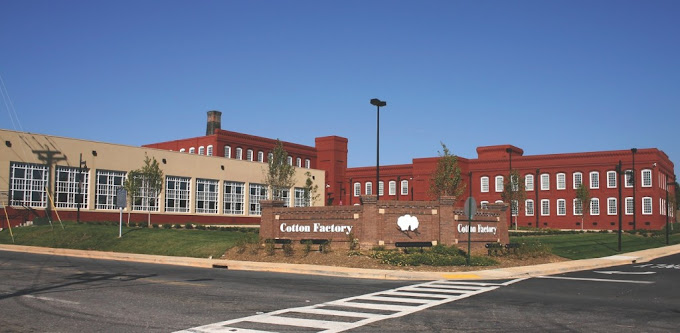
The Cotton Factory – Redevelopment, Rock Hill, South Carolina
The Rock Hill Cotton Factory was built in 1888 as a key element of the City’s historic textile industry. It was a mill that was a major employer and economic driver in the community, coupled with the nearby Rockhill Bleachery that processed fabric from the Cotton Factory into finished material with colorful prints and textures ready for manufacture into clothing, upholstery and other products.
The Cotton Factory was added to the National Register in 1992. After decades of neglect and temporary use by short-term tenants, the Cotton Factory was eventually abandoned. The Strategy 5 principal worked on a redevelopment effort with the City’s Economic Development Corporation that included market analysis, financial feasibility analysis and a funding and finance strategy. Ultimately, the redevelopment effort succeeded, and a new office and commercial use has restored the economic vibrancy of this key downtown employment center.
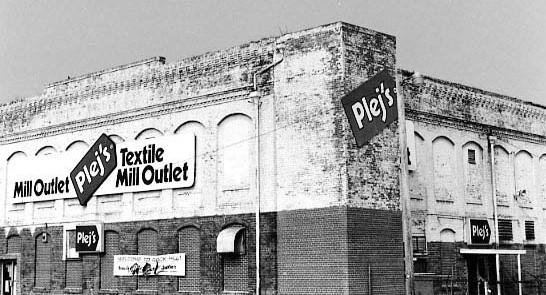
The historic Cotton Factory had become an eyesore that telegraphed the disinvestment in downtown Rock Hill. Strategy 5 identified its redevelopment as a critical catalyst for revitalization.
After several steps in analysis and implementation led by Strategy 5, the Cotton Factory has regained its prominence as an economic driver for downtown Rock Hill.
Pocatello Regional Airport – Landside Development Strategy, Pocatello, Idaho
Strategy 5 was a key member of a team led by Reynolds, Smith and Hills in preparing a Master Plan for the Pocatello Regional Airport. The firm’s role was to determine market support, highest and best use, financial feasibility and other factors involved in developing Airport-controlled landside property that is owned by the City of Pocatello. The Pocatello Regional Airport has significant property holdings, although the facility is subject to flat-lined commercial passenger traffic and diminishing air service schedules dictated by airlines.
Strategy 5 prepared a Conceptual Development Program that maximizes landside property development with appropriate and synergistic uses that will enhance the Airport’s economic bottom line, as well as its brand and image within the community. Partnerships are key to the development strategy which leverages a presence by Idaho State University (College of Technology Aircraft Maintenance Program and an ISU Nuclear Accelerator), connections to rail lines and the Interstate highway system.
The Conceptual Development Program includes expanded ISU facilities, warehousing and distribution, advanced manufacturing, office, and hospitality and lodging venue. A solar energy installation is recommended as per FAA Guidelines developed in 2010. Much of this development will be hosted in the long-planned Pocatello Regional Airport Business Park. Total capital investment in future landside development is estimated at more than $100 million.

The Pocatello Regional Airport has strategic opportunities, but also faces challenges. It has a great resource in landside property that Strategy 5 LLC worked to develop in a maximal fashion. Several catalyst projects emerged from the work.
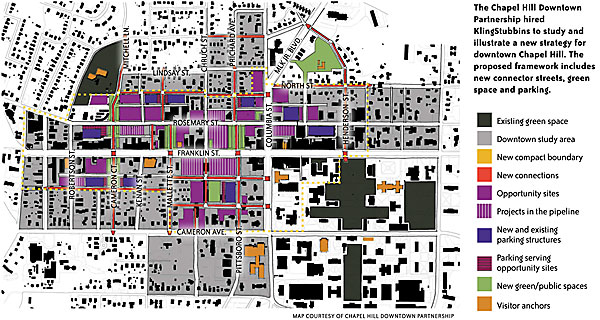
Planning Framework and Action Plan, Town of Chapel Hill, North Carolina
The Town of Chapel Hill engaged Strategy 5 as part of a team led by Kling Stubbins Planning and Design to create an economic development / growth strategy for downtown. The project was termed the Downtown Framework and Action Plan. The Action Plan included the creation of new street connections, utilization of tax increment financing for the first time, new multi-use parking garages, public spaces and infill commercial projects.
The entire Framework was created in concert with Strategy 5's economic and fiscal impact analysis, market analysis, financial feasibility analysis, TIF projections and other analytical tasks. Much of the Action Plan has now been completed and Chapel Hill's Economic Development Department remains one of the country's most successful organizations of its type.
The Town of Chapel Hill Downtown Framework and Action Plan incorporated the economic analysis led by Strategy 5 and called for the first-time use of tax increment financing (TIF) among other innovations.
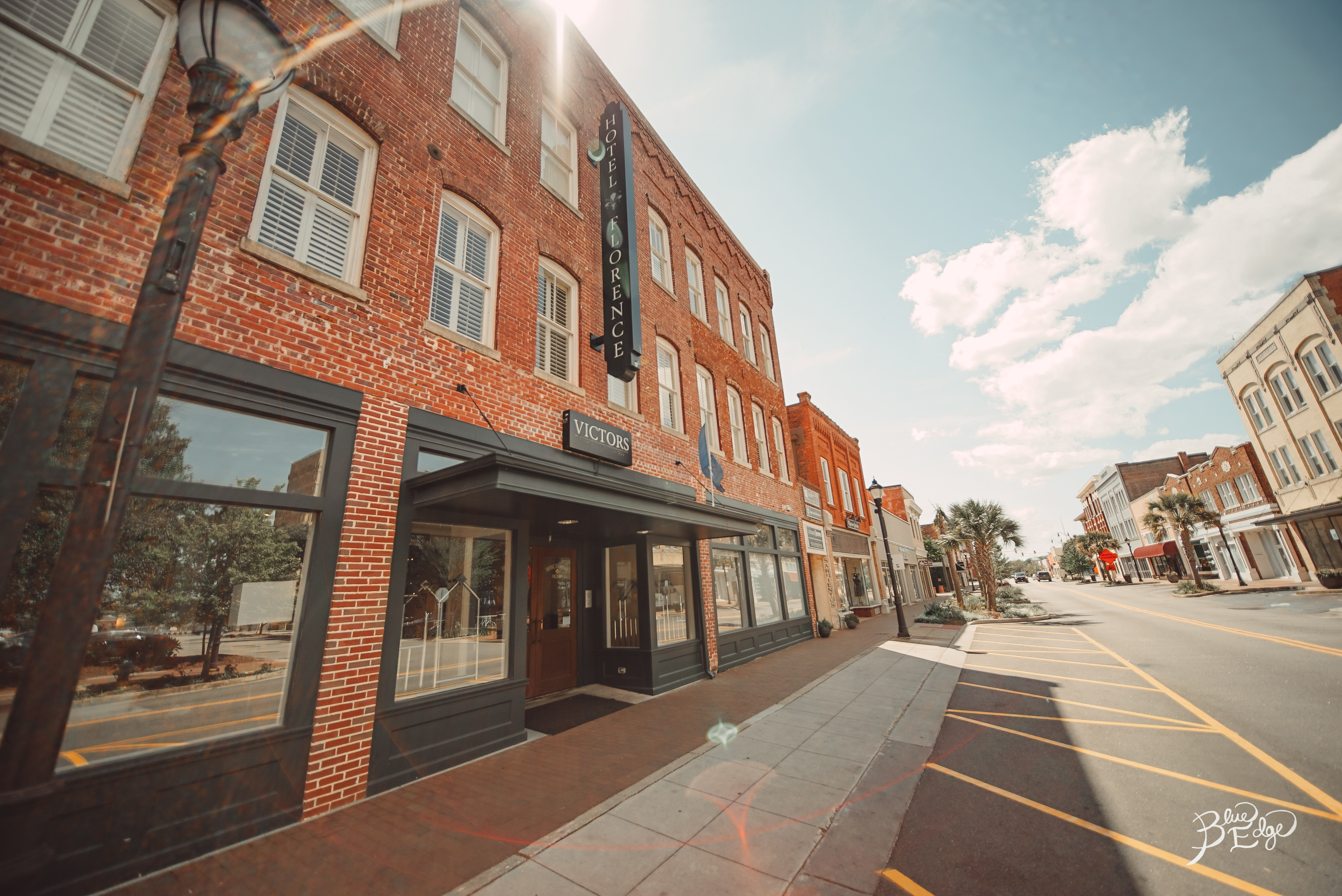
Downtown Revitalization Strategy, Florence, South Carolina
At the time the Strategy 5 Principal was engaged to lead a multi-disciplinary team in a downtown revitalization effort for the City of Florence, W. Evans St. commercial space was experiencing a near 70% vacancy rate. Surrounding neighborhoods were peppered with vacant lots, housing in poor condition, and safety was a critical issue. Retail demand had been attracted to suburban shopping malls, and there was only one small café restaurant in the downtown area.
The revitalization strategy was based on a market analysis that recognized the need for a complete make over of the downtown built environment, including building facades, streetscapes, and landscaping. It also recognized the desirability of creating some type of destination attraction in the downtown area. A complete set of Design Standards was developed, and a joint venture between Francis Marion University, the Florence Little Theater, and the Florence Downtown Development Corporation resulted in a Performing Arts Center that has been a major catalyst for reinvestment and a renaissance for Florence.
A real estate inventory of vacant and underutilized neighborhood properties was conducted and incorporated into a marketing and recruitment program that has been successful in attracting new residential opportunities for residents. The result has been a re-knit downtown community.
Downtown Florence today is experiencing less than 6% vacancy in its W. Evans St. store fronts and buildings, now occupied with a good mix of retail shops, cafes and restaurants, arts venue, and a boutique hotel.
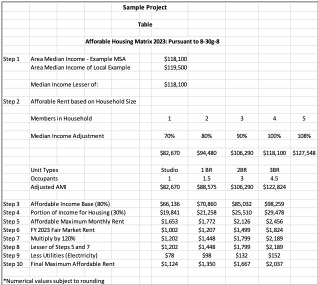
Affordable Housing Plan – Multi-Family Residential Development, Private Sector, Town of Mansfield, Connecticut
For a private residential development company, the firm prepared an Affordable Housing Plan, pursuant to Section 8-30g of the Connecticut State Regulations. Such a Plan is required in conjunction with the overall development proposal for new multi-family residential units. It requires a calculation of median income and adjustments, affordability thresholds, number of required Affordable Units, and number of required Workforce Units. The maximum monthly housing payments for different household sizes, determined by an application of fair market rents and discounted according to statute, are factored in.
The Affordable Housing Plan then sets the requirements for affordable and workforce units, affordable rents, and other criteria to be included in the development. It also set for the terms and requirements associated with administration of the Plan, marketing, inclusionary activities and other aspects of a set-aside project.
This sample table shows the 10-step series of calculations as required by the 8-30g regulations in completing an Affordable Housing Plan for a set-aside project in Connecticut. Three other key tables are also required. This project had 53 units in total, with 8 affordable, and 3 workforce units incorporated, leaving 42 market-rate units.
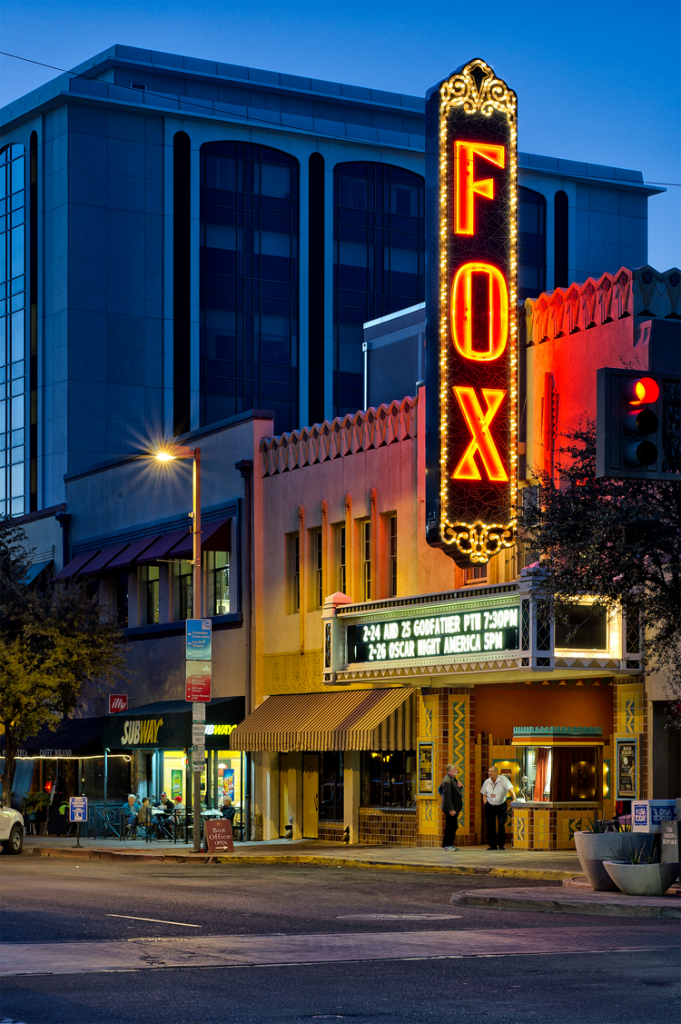
Fox Theater Revitalization, Tucson, Arizona
As part of a major, city-wide strategic planning process led by the Strategy 5 principal, the cultural arts were identified as a source of economic energy that could play a key role in the future of downtown Tucson. At the time (early 2000’s) the historic Fox Theater – primarily a motion picture venue – was closed, vacant, and in a decaying state of repair. Utilizing funding and finance mechanisms included in the strategic plan, a process of redevelopment and restoration was initiated.
Today, the results of hard work by theater proponents and the community at large have resulted in a vital cultural arts venue in the heart of downtown. Its signature signage is a beacon to arts lovers everywhere. A major new addition to the Fox in the form of a purpose-built performing arts center is now (2026) well along in the planning and development process.
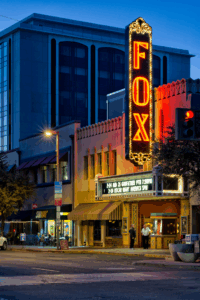
The iconic Fox Theater signage has beckoned generations of movie goers and other cultural arts fans. It has been rescued from deterioration, restored, operated successfully, and now poised to accept a new performing arts addition that will be functionally integrated into the original building.
Wyoming State Hospital, Redevelopment Plan, Evanston, Wyoming
The former Wyoming State Hospital campus was the subject of a redevelopment plan led by Myers-Anderson Architects, with Strategy 5 serving as the economic consultant on the team. The state-owned property consists of approximately 100-acres, located within the city limits of Evanston, and commanding a prominent position on a bluff overlooking the town. The facility was phased out beginning in 2010 and completely closed to active use of any kind in 2018. A new hospital was constructed nearby and the future disposition of the state property became a major issue for the community.
Strategy 5 conducted a market feasibility assessment that recognized the need for a future private sector use to capture support from well beyond the local/regional area, which lacks the population and economic base to enable a redevelopment project of this magnitude. The firm came to focus on the life sciences industry as a global economic player that has the financial strength and capacity to affect this transition and offers the ability of companies to operate in almost any desirable location. In addition to the market analysis, Strategy 5 conducted financial feasibility analysis, and a funding and finance strategy for the project.
The former Wyoming State Hospital campus offered both opportunities and challenges in the form of existing buildings with historic significance, as well as rapidly advancing deterioration of structures. Potential from the life sciences industry, that includes biotech and pharmaceuticals, was identified as a private sector lifeline to redevelopment for consideration by state and local authorities.
Salt Lake City International Airport – Master Plan Update, Salt Lake City, Utah
Strategy 5 prepared a development plan for landside property at the Salt Lake City International Airport as part of a larger Master Plan Update with a 2035 time-horizon. The objective was to maximize the economic / financial yield from properties owned either by the Airport, or privately owned, and in proximity to the Airport. The Plan incorporated a variety of uses including aerospace research and development elements, warehousing and distribution, advanced manufacturing, autonomous vehicle infrastructure, and supportive hotel and passenger service amenities.
This Plan follows the recent completion of the new terminals, parking structures, circulation and access infrastructure, and upgrades to the airside operations components. Construction of new components is expected to begin in 2030. Certain landside development has already begun. Landside development opportunities include the adaptive reuse of a municipally owned golf course, industrial park areas and more.
The Salt Lake City International Airport is undergoing a series of major improvements including terminal enhancements, runway expansions, parking development and more. The new Master Plan will beneficially impact the Airport for decades to come.
Long Hollow Pike Corridor – Zoning Impact Analysis, Goodlettsville, Tennessee
Strategy 5 prepared an economic and fiscal analysis, as well as a market analysis, as part of a study aimed at increasing the tax base of the City of Goodlettsville through zoning changes along the Long Hollow Pike. With a majority of fiscal revenues coming from a local option sales tax driven by retail, the City wished to establish a strategy for capturing growth in this sector. As part of the Nashville MSA, Goodlettsville is part of a fast-growing market that is experiencing significant new residential development with attendant commercial growth as well.
The study was focused on Long Hollow Pike, a major connector that intersects with I-65 and hosts the majority of new upscale residential properties. Strategy 5 recommended analysis of the greater Goodlettsville area in a holistic view of the market and determined that the City could support and attract an additional 500,000 square feet of retail. This equates with approximately $1.25 million in additional tax revenue annually. Targeted zoning changes on property bordering the Long Hollow Pike were recommended to allow additional retail and commercial development. A widening of the Pike was also recommended. Recommendations for both rezoning and widening were adopted by the City and implemented.
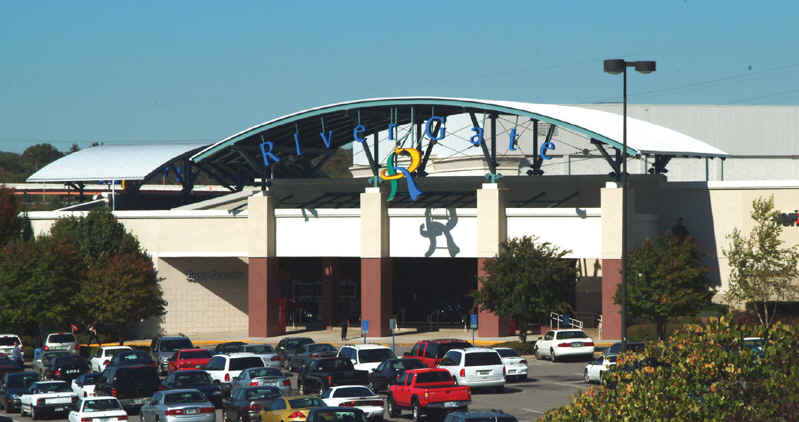

The City of Goodlettsville is part of the Nashville metropolitan area. Strategy 5 projects that the city can capture significant new retail development as part of a fiscal enhancement plan, anchored by targeted zoning changes and a widening of the Long Hollow Pike corridor.
Market Square Revitalization, Pittsburgh, Pennsylvania
Mr. Bleinberger's firm prepared a revitalization strategy for this key location in downtown Pittsburgh, as part of a large Plan C Task Force effort by the City. Plans A and B had failed due to their heavy reliance on public sector funding. The area had become a center for undesirable activity and was ringed with high-vacancy retail and commercial buildings. With guidance from key stakeholders and public input, focus was brought to bear on redeveloping the former G.C. Murphy Building (center right) as a catalyst for redevelopment.
A market and financial feasibility analysis was conducted, finding that a mixed-use format consisting of retail / restaurants on the first floor and market rate residential above, was supportable. A private development partner was found, the building successfully repositioned and served as an anchor for reinvestment and vitality.
Using the redevelopment of the former G.C. Murphy Building as a catalyst, the overall strategy for the revitalization of Market Square has proved successful. Tenancy in nearby commercial space increased dramatically, and the area has attracted additional hotel rooms, restaurants, and entertainment venue over time.
Affordable Housing Study / Growth Management Plan, Draper, Utah
Strategy 5 Principal Ernest Bleinberger conducted an affordable housing study for this Salt Lake City-area municipality which faced escalating land and housing values. The concern for the supply of affordable housing, and the need for the City of Draper to conform to certain state statutes led to the analysis being commissioned.
Draper has a finite amount of land (expandable only through annexation) and is located in a highly desirable section of the Salt Lake metropolitan area. A bordering state park and the steep slopes of the Wasatch Range further add to the constraints on building and have an escalating effect on residential values. The average home price in Draper is now (2025) above $700,000 with home listings in the millions not uncommon.
The results of the study showed that there is a shortage of affordable housing, but that a combination of market forces and public policy decisions could be employed to correct the imbalance. Basically, a refocus by developers and residents on the older central section of the City was seen to offer a number of opportunities. These could include, but not be limited to, investment in refurbishment of single-family homes, multi-family development, and zoning to allow for subdivisions that could produce duplex-type housing.
Subsequent to the firm's work, Draper has come to host a number of new, affordable housing developments. These include the Veranda Apartments, Heritage at Draper, and the Ivy at Draper. For more information, please see www.affordablehousing.com/housing-authority-draper-ut/.
The work resulted in the adoption of an ordinance which encourages affordable housing and allowed Draper to meet associated Federal guidelines.
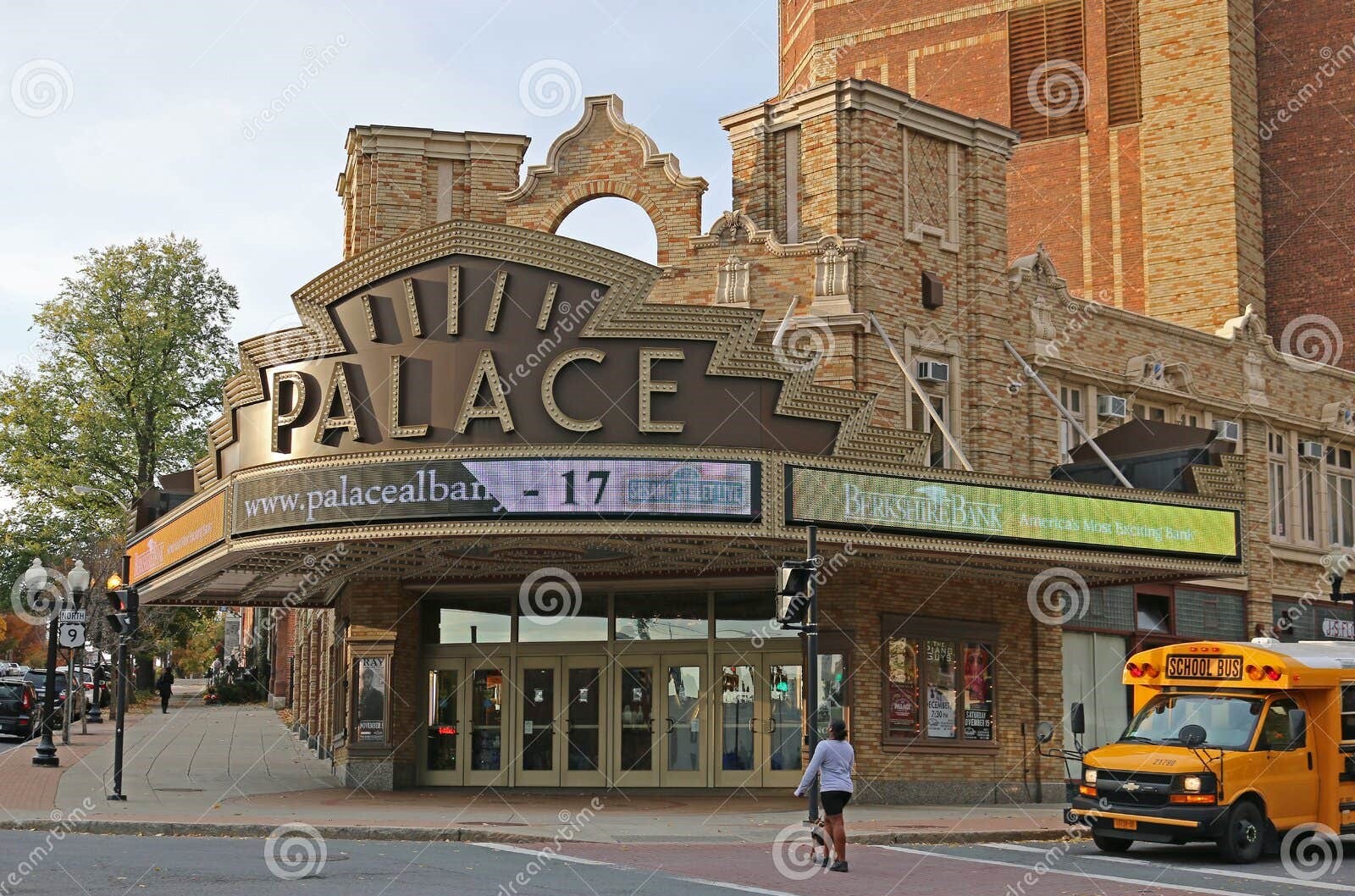
Palace Theatre Revitalization, Albany, New York
During development of an arts and entertainment strategic plan for the N. Pearl St. corridor in downtown Albany, the principal was introduced to the Palace Theatre. At the time, the theatre had been closed for years and was in desperate need of restoration. The value of the Palace as both an historic gem, and a venue which played a key role in the cultural arts life of the state capital, was given full weight and recognition in the plan.
Key strategic plan components raised the awareness of the Palace Theatre and provided support for the funding required for restoration. This was completed, and the Theatre was returned to its active and vibrant role in the community. Today, it is a cherished treasure that hosts a strong calendar of performing arts and other events.
The restored Palace Theatre anchors one end of the N. Pearl St. cultural arts and entertainment district. Located in close proximity to the Capital Repertory Theatre, it serves as part of a cluster of activated venue, which has in turn, spurred growth in restaurants and other entertainment attractions.
Wyoming State Hospital, Redevelopment Plan, Evanston, Wyoming
Strategy 5 assisted Reynolds Smith & Hills in the successful pursuit of a Master Plan project for the Casper / Natrona County International Airport through a preliminary site analysis and market assessment. This analysis hinged on the desire of the Airport to utilize its historic military / aviation foundation as a leveraging device for landside development. A host of WWII era barracks, former officers’ and enlisted men’s clubs, underutilized parking lots, proximity to rail and other transportation hubs, were merged into a set of preliminary observations and recommendations.
Strategy 5 LLC put forth the principle of capitalizing on net added real estate value, based on pragmatic planning and economic development strategies, for the Airport to consider within the broader Master Plan context. The potential of a museum featuring WWII aircraft such as the bomber shown below was discussed.
The Casper Wyoming Airport hosts numerous historic resources including aircraft like the one shown above, buildings, and artifacts that can provide the basis for a museum or other cultural attraction. This type of historic component can serve to anchor portions of the proposed landside development plan.
Newport News / Williamsburg International Airport, Newport News, Virginia
Strategy 5 was a key member of a team led by Reynolds, Smith and Hills in preparing a Master Plan Update for the Newport News / Williamsburg International Airport. The firm’s role was to determine market support, highest and best use, and other factors involved in developing Airport-owned landside property. The Newport News Airport is centrally located in the Hampton Roads / Virginia Beach / Williamsburg / Newport News metropolitan area. The Airport services numerous government installations, naval and commercial shipyards, tourism to Colonial Williamsburg and Virginia Beach attractions.
The Thomas Edison National Laboratory Accelerator campus is located nearby, along with several college campuses, NASA affiliated entities, and various technology-oriented public institutions, non-profits, and corporations – particularly those associated with the aerospace industry. Strategy 5 worked with the team and the Airport to prepare a Conceptual Development Program that maximizes landside property development and economic development potential.
The Newport News / Williamsburg International Airport offers landside development opportunity areas shown in the upper portion of this aerial photograph. Strategy 5 LLC recommended office and R&D development to compliment the area’s focus on technology, aerospace, science and government/military installations.
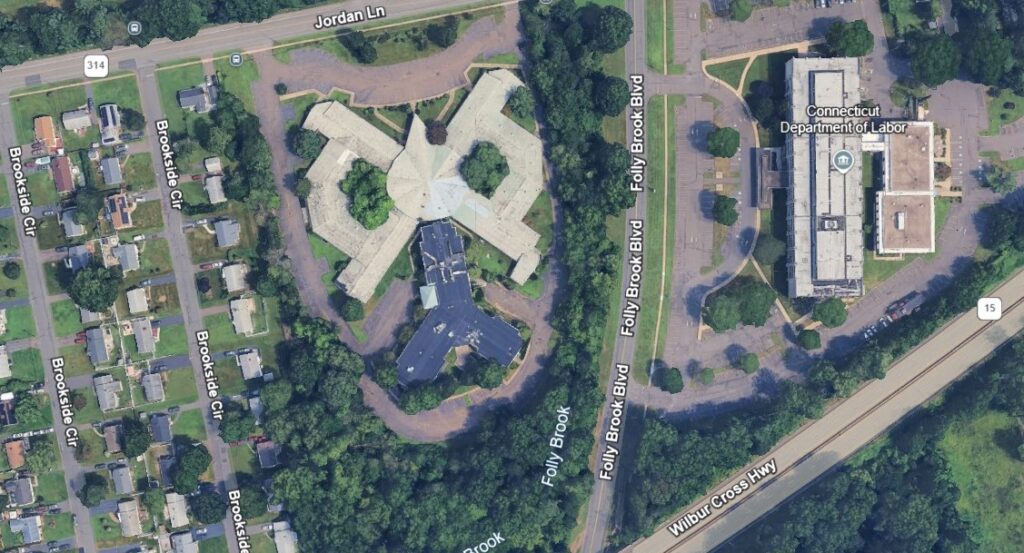
Fiscal Impact Study, Multi-Family Development / Redevelopment, Private Developer, Town of Wethersfield, Connecticut
Strategy 5 completed a fiscal impact study for a private development company seeking approvals for a 160-unit multi-family apartment complex. This work was done in compliance with the procedural requirements for obtaining a Special Residential District (SRD) re-zone designation on the property involved. This property has been the location of a vacant 300-bed nursing home since 2012, and been the subject of vandalism, fire and safety concerns, and other public issues.
The fiscal impact requirements of the Town regulations focused on the public costs, such as those to schools, law enforcement, public safety, and public works. Strategy 5 balanced this approach with quantified fiscal revenues driven by the private sector capital investment estimated at $40 million, net new property taxes, motor vehicle taxes, building and permitting fees. Economic impacts associated with spending by operations in ongoing property management, spending by residents across market sectors, and other factors were also addressed.
This aerial view shows the existing structure on the redevelopment site, consisting of a vacant 300-bed nursing home. The proposed 160-unit multi-family residential project will have a significant net fiscal and economic benefit to the Wethersfield community and feature a variety of amenities including open green space, walking paths, and recreational areas.