
Strategy 5 was commissioned to conduct a fiscal and economic impact analysis of conceptual, multi-family housing development to inform the Town’s Economic Development Commission, administrators, staff, and the community at large. The study employed a development model that allows for projections driven by a range of unit numbers (10 – 250), a range of quality / price levels (Economy, Midscale, Upscale), and unit type (rented apartment, owned apartment, rented attached, owned attached, live / work, and senior lifestyle), and other criteria.
Expenditure potential created by residents would be captured by Tolland businesses, to varying degrees. Spending would occur in Tolland’s 175 retail, service, and commercial businesses including more than 200 companies active in light manufacturing, wholesaling, warehousing and distribution, technology and communications, and other sectors. Spending would also occur well outside the Town of Tolland, including with state, regional, and national providers of goods and services.
Economic impacts included the capital investment in land and construction of the multi-family units, which in turn help support construction jobs, contractors of different types, and material suppliers and processors. Fiscal impacts included net new revenues generated by the value added to the tax base of the Town, and payment of those taxes by the owner/developer of the project and/or multi-family unit owners. Fiscal costs would be balanced by a projected decline in the Town population, and the attraction of new residents who may be seeking multi-family residential opportunities. The Town is projected to realize a significant net fiscal and economic income.
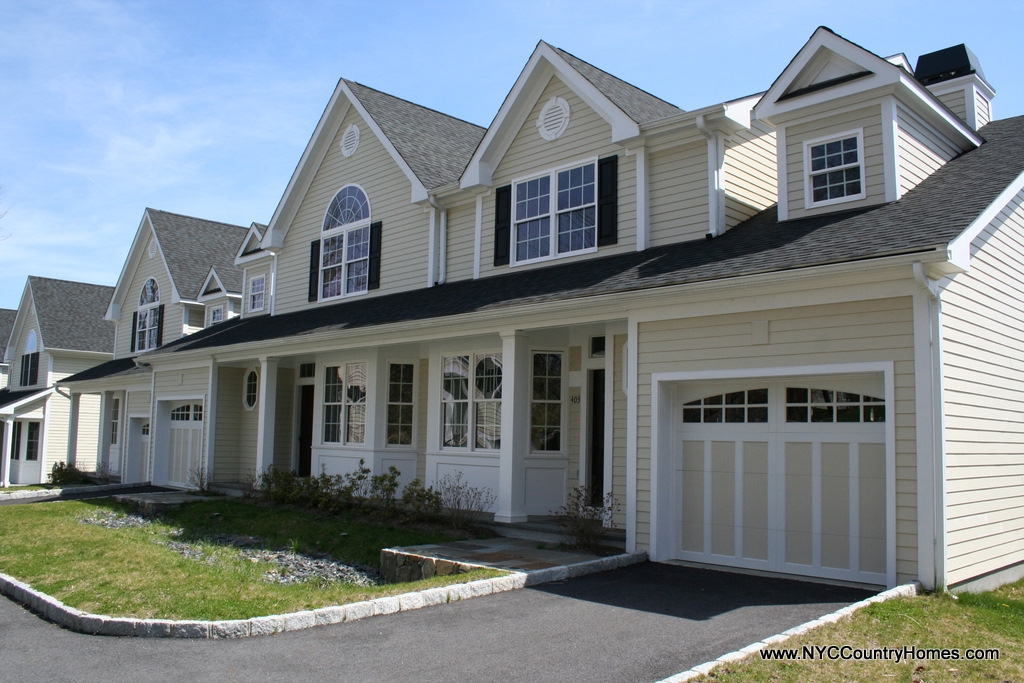
Attached multi-family dwellings, including this triplex example, are one development model of many that can contribute to the much needed housing supply.