
Originally opened as the Maine School for the Feeble Minded in 1908, what later became known as the Pownal State School, and then the Pineland School, had been vacant and derelict for decades when the State of Maine engaged Mr. Bleinberger’s firm to craft a redevelopment strategy in the early 2000s. The sprawling 200-acre campus included a mix of red brick Georgian architecture buildings in varying degrees of decay, wood frame residential barracks, and other structures.
The revitalization strategy that emerged focused on the use of various resources inherent to the property including a significant source of saleable spring water, old growth trees including maples that offered the potential for syrup manufacturing, streams and meadows that could be attractive to visitors and tourists. The strategy also identified market support for the location of research and development, technology, professional office space, and other user groups targeted for reuse of the salvageable campus buildings.
A Maine-based non-profit took over the project, implemented the plan, and has built upon it to create the highly-successful Pineland Farms, a destination attraction. Pineland Farms also bottles its own branded spring water, maple syrup, cheese and dairy products, and other items sold in its Farm Store, as well as in grocery stores in the region, and online.
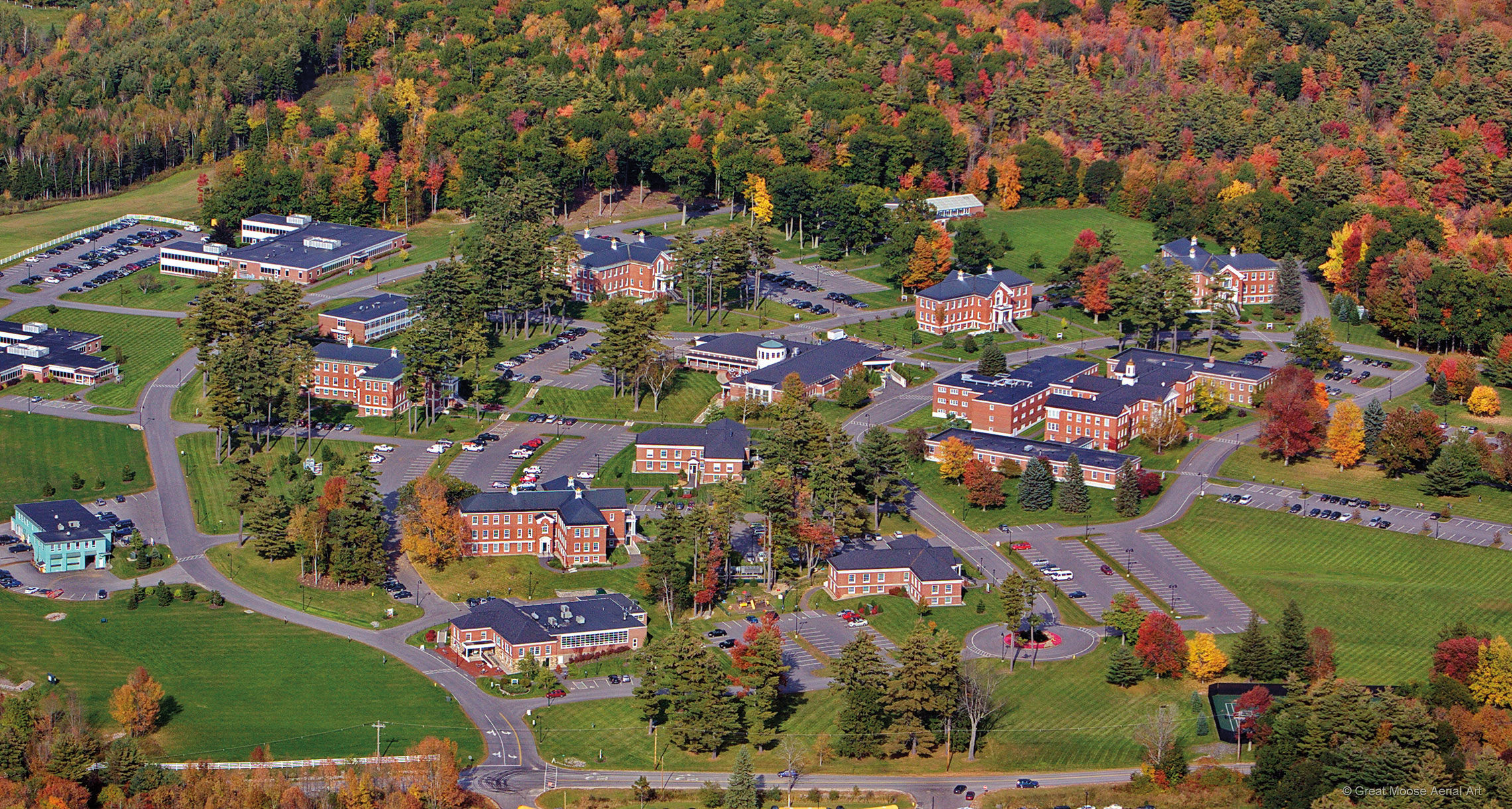
Today, Pineland Farms is a successful mixed-use project that penetrates local, regional and tourism market segments, and provides educational, work, and recreational spaces for tenants and visitors alike. The facility’s grim past has been replaced with a bright and hopeful future that has proven feasible and sustainable.